September can make life feel like one giant deadline. The year is moving quickly, summer is fading, work seems to be getting busier, and suddenly everyone appears to be accomplishing something. Someone has launched a business. Someone else has bought a home. Another person has changed careers, gotten married, started exercising, traveled somewhere beautiful or finally finished the project they have been talking about for months. Meanwhile, you may be looking at your own list and wondering why you aren’t further along. It can feel as though everyone else received a map for the year and somehow you missed yours. But being in a different place than someone else does not mean you are behind. It means you are living a different timeline.
The idea of being “behind” is one of the easiest ways to turn someone else’s progress into a judgment about your own life. We rarely have access to the full story behind another person’s accomplishments. We see the announcement, the photograph, the promotion, the new business or the finished project, but we don’t see the years of preparation, the financial help, the personal circumstances, the setbacks or the sacrifices that happened before that moment. We compare our entire unfinished story with somebody else’s highlight. No wonder the comparison feels unfair.
September can make that feeling especially intense because the year is far enough along for unfinished goals to become noticeable. January optimism has faded. The plans that once seemed exciting may have become ordinary responsibilities, and some of the things you promised yourself you would accomplish may still be sitting untouched. That can create the temptation to panic and attempt to catch up all at once. Suddenly you want to fix your career, your finances, your health, your relationships, your home and your personal goals before December arrives.
But progress doesn’t usually work that way.
Trying to repair an entire year in a few months can create so much pressure that you end up doing nothing. The better question is not, “How do I catch up?” It is, “What still matters to me?” Those questions sound similar, but they lead to completely different decisions. Catching up is about competing with an imaginary timeline. Deciding what matters is about paying attention to your actual life.
Your Timeline Does Not Need To Match Somebody Else’s
Maybe the goal you wrote down in January no longer matters. Maybe the person you were then wanted something that the person you are now doesn’t actually want. That isn’t failure. People change. Circumstances change. Priorities change. Sometimes the most productive thing you can do is stop forcing yourself toward an old destination simply because you once said you were going there.
Other times, the goal still matters but the timeline needs to change. Maybe you haven’t finished the course because work became overwhelming. Maybe the business hasn’t launched because you’ve been figuring out how to support yourself financially. Maybe your fitness routine disappeared because you were dealing with responsibilities that required your attention elsewhere. A delayed goal is not automatically a dead goal.
There is a strange pressure to make every year look impressive. We talk about accomplishments as though life should be divided neatly into twelve-month cycles, with January representing the beginning and December representing the final score. But real progress rarely respects a calendar that neatly. Some years are for building. Some are for recovering. Some are for learning. Some are for surviving a difficult period and finding your footing again.
And sometimes surviving is progress.
The person who spent the first half of the year simply trying to keep everything together may not have a dramatic accomplishment to announce in September, but that doesn’t mean nothing happened. They may have learned how to set boundaries. They may have paid down debt. They may have left a situation that was hurting them. They may have started taking better care of themselves. They may have learned a new skill quietly. They may have continued showing up despite circumstances that nobody else knew about.
Not every form of progress is visible.
This is especially important when social media turns achievement into a constant public scoreboard. You can open an app for five minutes and encounter dozens of reminders that other people seem to be moving faster. New jobs. New relationships. New homes. New businesses. New bodies. New vacations. New milestones. Even when you’re genuinely happy for those people, repeated exposure to other people’s achievements can make your own life feel strangely inadequate.
The solution isn’t necessarily to stop celebrating other people’s success. It is to stop using their success as evidence against yourself.
Someone else’s promotion doesn’t mean your career is failing. Someone else’s business launch doesn’t mean you missed your opportunity. Someone else’s relationship doesn’t mean you are late. Someone else’s house doesn’t mean you aren’t doing enough. Someone else’s pace is not a measurement system for your life.
The same is true in reverse. Your progress doesn’t make someone else behind either.
That may be one of the most freeing things about abandoning the idea of a universal timeline. There is no age at which you are required to have figured everything out. There is no month when everyone is supposed to reach the same milestone. There is no September deadline for becoming the final version of yourself.
You are allowed to still be building.
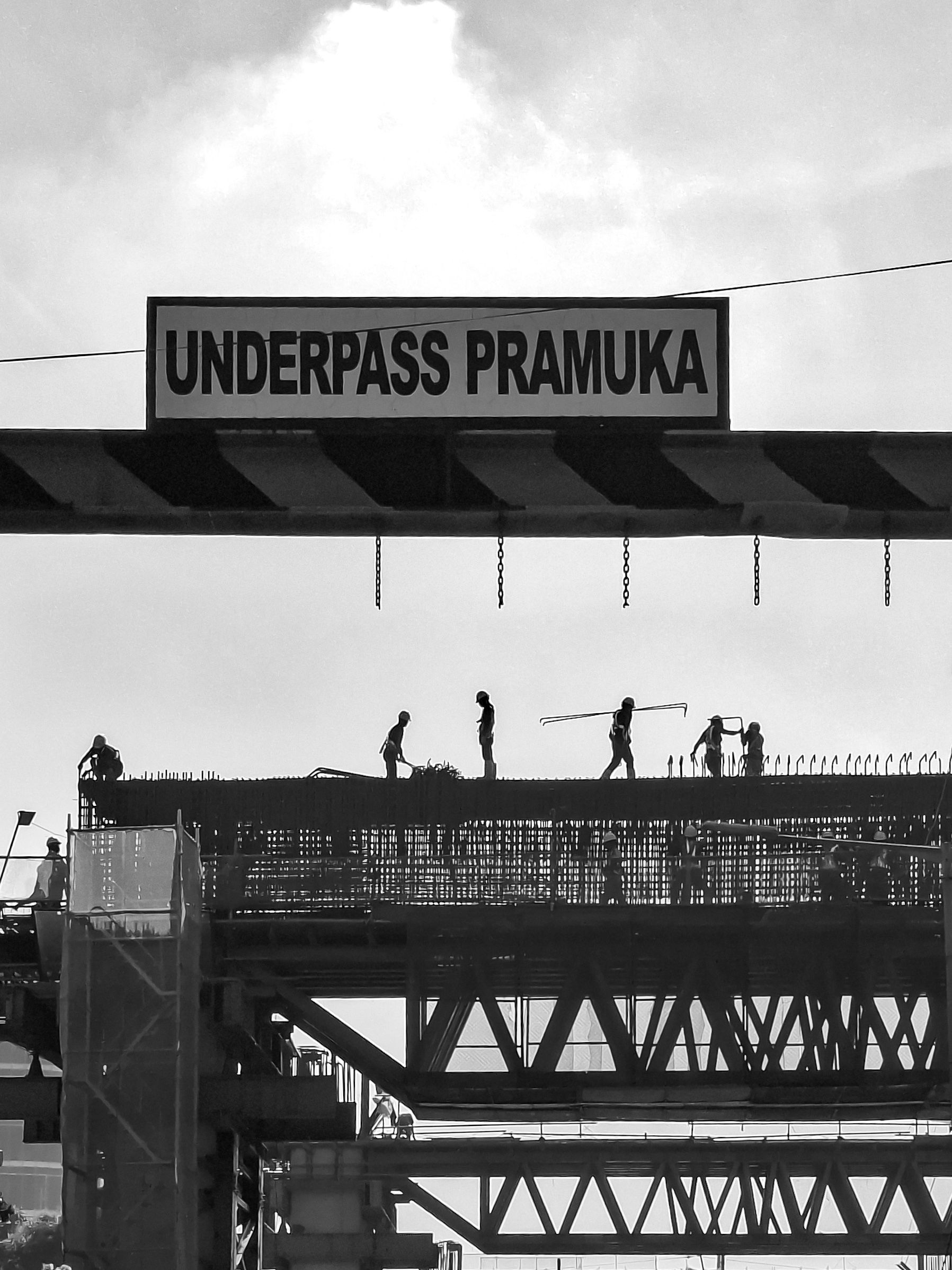
Building is an awkward stage because it rarely looks impressive while it is happening. A foundation doesn’t look like a finished house. A draft doesn’t look like a published book. A first customer doesn’t look like a successful company. A new habit doesn’t look like a transformed life. Learning a skill can involve months of being bad at it before you become competent.
The middle is often the least glamorous part.
It is also where most of the work happens.
If you feel behind this September, it may help to stop looking at the entire distance between where you are and where you want to be. Look at the next useful step instead. One application. One phone call. One workout. One payment toward a debt. One page. One conversation. One hour spent learning. One difficult task finally completed. Small actions can seem insignificant when you’re staring at a huge goal, but they become meaningful when repeated.
You don’t need to prove that you can transform your entire life before the end of the year. You need to give yourself a reason to believe that movement is still possible.
That might mean choosing fewer goals. It might mean deleting goals that no longer fit. It might mean returning to something you abandoned earlier in the year. It might mean admitting that you need help. It might mean resting long enough to figure out what you actually want.
Rest can be part of building too.
There is nothing productive about constantly pushing yourself because you are afraid that slowing down means everyone else will pass you. Life isn’t a race with a single finish line. You can move quickly in one season and slowly in another. You can change direction. You can pause. You can start again. You can take a completely different route.
What matters is whether the direction still feels meaningful to you.
So when September makes you feel behind, resist the urge to measure your life against everyone else’s visible progress. Instead, look at what you’ve learned since January. Look at what you survived. Look at what you started. Look at what you understand now that you didn’t understand nine months ago. Look at the goals that still make you curious. Look at the people and priorities that still matter.
Then choose what deserves your attention for the rest of the year.
You don’t need to catch up with everybody.
You don’t even need to catch up with the version of yourself who thought everything would happen faster.
You just need to keep building the life that makes sense for you now. And sometimes the most meaningful progress is not the dramatic transformation everyone can see. It is the quiet decision to keep going, make another choice, take another step and refuse to call yourself a failure simply because your story is still being written.
You are not behind.
You are still building.
Read more at Failureology.com