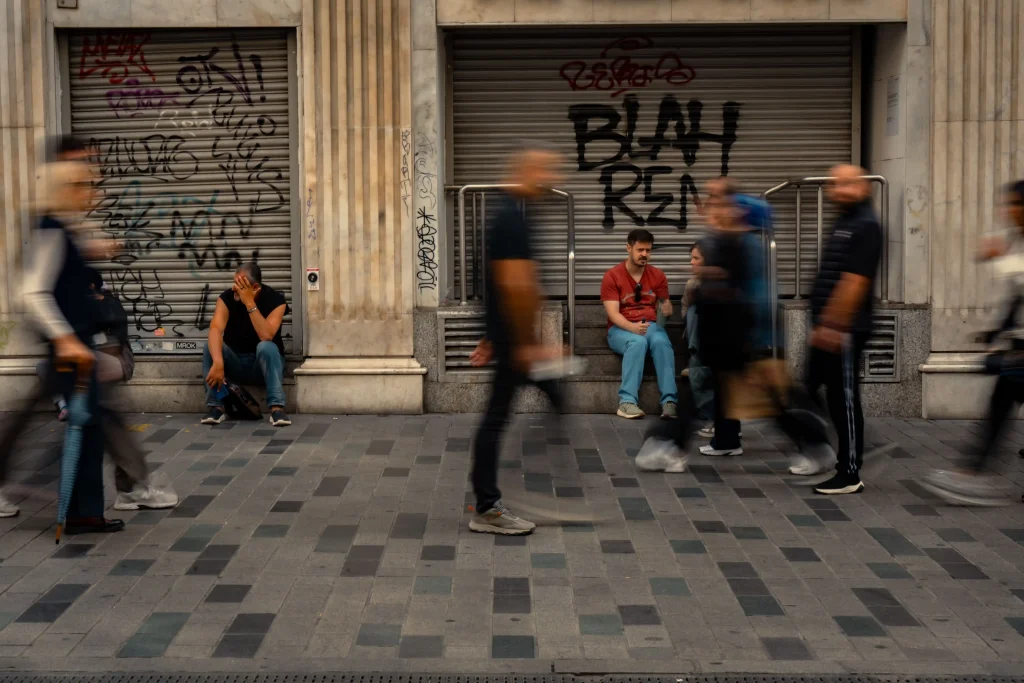
Life is a story of continuous beginnings and endings. We chase new jobs, build relationships, and pour our energy into meticulously crafted plans, all with the hope of a beautiful, linear narrative. But what happens when the story takes an unexpected turn? When a chapter closes before we’re ready, when a dream dissolves, or when a plan falls apart? In those moments of loss and uncertainty, we often feel adrift. Yet, it is precisely in these endings that we find a profound opportunity. What feels like an ending can soften us into seeing what truly matters. Sometimes it’s in letting go that we finally discover where we’re meant to go. When plans fall apart, hearts often find gentler, wiser paths.
This isn’t a simple, cheerful platitude to mask the pain of a setback. It’s a deep, guiding truth that acknowledges the sting of failure while illuminating the transformative power it holds. These endings, whether they be the loss of a job, the dissolution of a relationship, or the failure of a long-held ambition, are not simply voids. They are thresholds. They are moments of pause that force us to let go of what was, creating the necessary space for something new, something more aligned with our truest selves, to emerge.
The Myth of the Straight Path: Why Endings Are Inevitable
In a culture obsessed with success and forward momentum, we’re taught to view endings as failures. We’re told to push through, to never give up, and to keep our eyes on the prize. This mindset, while valuable for grit, often prevents us from recognizing when it’s time to let go. We cling to failing projects, toxic relationships, and unfulfilling careers long after they have stopped serving us, fearing the unknown more than the dissatisfaction we currently feel.
The truth is, life is not a straight path. It is a winding river, and clinging to a rigid plan is like trying to force a boat upstream against the current. The most graceful journey often involves learning to navigate the flow, trusting that the river itself knows the way. Endings are simply the river’s way of redirecting us, of showing us that the path we were on has reached its conclusion. Accepting this inevitability is the first, most powerful step toward finding peace in the letting go.
The Softening of the Heart: Seeing What Truly Matters
Failure is a humbling experience. It strips away our ego and forces us to confront our vulnerabilities. In this raw and exposed state, the noise of our ambition and external validation often fades. What remains is a quiet space where we can truly see. What feels like an ending can soften us into seeing what truly matters.
Think of a time when a major plan fell apart. Maybe a business venture failed, or a long-term project was canceled. In the immediate aftermath, there is pain and frustration. But with time, this pain can lead to a powerful clarity. We begin to see what we valued most in that endeavor: was it the outcome, or was it the process? Was it the title, or was it the team you worked with? This kind of introspection is difficult to achieve when we are in a state of constant forward motion. Endings provide a forced stillness, a moment to reflect on our core values and priorities. In this stillness, we often realize that what we lost was not as important as we thought, and that what we truly cherish—our relationships, our health, our inner peace—was there all along.
The Gentle Compass: Finding Where We’re Meant to Go
When we finally gather the courage to let go of a failing plan, an interesting thing happens: we create a void. And it is in this very void that we find our greatest freedom. The moments of uncertainty that follow an ending are often our most fertile ground for self-discovery. Sometimes it’s in letting go that we finally discover where we’re meant to go.
Letting go is an act of trust. It’s trusting that by releasing our grip on one path, we are making space for another to reveal itself. This new path may not be what we expected, and it may not be visible right away. It might begin with a quiet detour, a gentle nudge in a new direction. Perhaps it’s a spontaneous conversation with an old friend that sparks a new idea, or a hobby we picked up during our downtime that evolves into a passion. These are the moments when our hearts begin to guide us. The ego’s drive for a pre-determined outcome is replaced by the heart’s gentle pull toward what feels authentic and true.
When Plans Fall Apart: Finding a Wiser Path
The experience of a plan falling apart is often messy, painful, and deeply personal. It can feel like a direct hit to our sense of identity and self-worth. Yet, it is precisely in this mess that we learn to be more resilient, more adaptable, and more compassionate with ourselves. When plans fall apart, hearts often find gentler, wiser paths.
A wise path isn’t always the fastest or the most direct. It’s often the one that leads to greater fulfillment, deeper learning, and a more authentic sense of purpose. A job loss might feel devastating, but it could be the catalyst that forces you to build your own business, giving you the freedom and control you secretly craved. A failed project could teach you invaluable lessons about collaboration, leadership, and humility that you would never have learned otherwise. The path we were on might have been a good one, but the new path—the one that emerged from the wreckage—is often a wiser one. It’s a path that has been shaped not just by ambition, but by experience, humility, and newfound clarity.
Standing Tall in the Face of Failure: The Alchemy of Resilience
Failure is not a destination; it’s a teacher. The true mark of resilience is not in avoiding failure, but in how we stand up after it.
- Acknowledge the Pain, Release the Shame: The first step is to allow yourself to feel the disappointment without shame. Failure is not a reflection of your worth. It’s a reflection of an outcome, nothing more. Process the pain, grieve the loss of the plan, and be kind to yourself in the process.
- Extract the Lessons, Not the Blame: Approach the failure with curiosity, not criticism. Ask yourself: what did I learn about myself? About my process? About my assumptions? These lessons are the most valuable takeaways from the experience, and they are what will fuel your next chapter.
- Embrace the Pause: An ending is an opportunity to pause. Instead of rushing to fill the void with a new plan, give yourself time to breathe. This is when the heart begins to whisper its new direction.
- Trust the Unfolding: Reframe your mindset from “what went wrong?” to “what is being made possible?” Trust that the universe is not punishing you, but guiding you. The gentlest and wisest paths often reveal themselves in moments of quiet surrender.
Ultimately, the grace of endings is that they force us to let go. And in that letting go, we discover a profound freedom and a deeper well of wisdom. The moments we never planned—the quiet detours, the gentle surprises—are not deviations from our path. They are often the path itself, leading us to a destination that was always meant to be.